Home › Industrial and Heavy-Duty Asphalt Paving
Reliable, professional industrial asphalt paving in New Orleans, LA from Precision Asphalt New Orleans. Contact us today for a free on-site estimate.
Precision Asphalt New Orleans provides professional industrial asphalt paving throughout New Orleans, LA, Louisiana and the surrounding area. Our licensed, insured crew delivers safe, clean, on-time work with a free estimate before anything begins. Call (504) 499-0348 or request your free quote.
Industrial Asphalt Paving Built for New Orleans Workloads
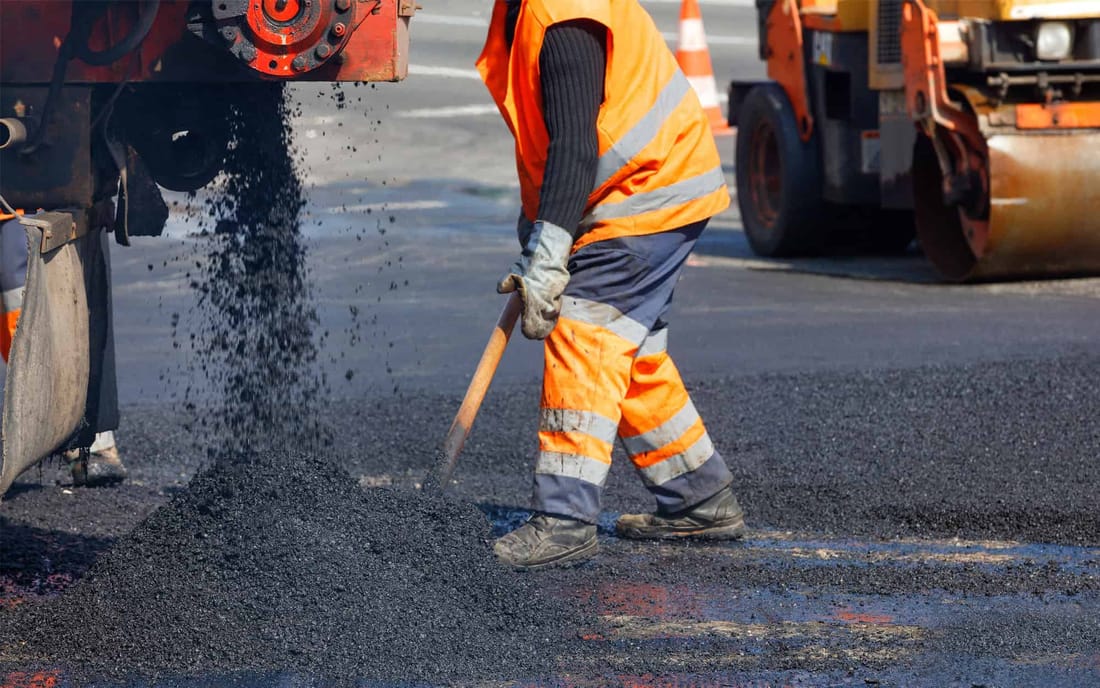
Industrial asphalt paving is not the same as putting in a basic driveway. At refineries, warehouses, plants, and ports around New Orleans, pavement carries loaded forklifts, containers, 18-wheelers, and tracked equipment every day. Precision Asphalt New Orleans designs and builds heavy-duty asphalt sections around those actual loads and traffic patterns so the surface does not rut, shove, or unravel under Gulf Coast conditions.
When we visit an industrial site, the first thing we look at is how the pavement will be used. We map out truck paths, turning areas, staging lanes, and loading zones. A tight turning radius where trucks back into a dock needs thicker and stiffer asphalt than a straight-through drive lane. We also look for existing distress like pumping at joints, alligator cracking, and ponding water to see how the subgrade and base have been performing. That information tells us whether we can work with what is there or if we need deeper reconstruction.
New Orleans soil and drainage are a key factor. Many facilities along the river, in Harahan, and near the Industrial Canal sit on soft, moisture-sensitive subgrade. For those sites, we plan for proper undercutting, stabilization with crushed limestone or recycled concrete, and sometimes chemical stabilization so the support layer does not move when we get heavy rains or high groundwater. If you already fight standing water after every storm, we factor in regrading, swales, and new inlets so your new industrial asphalt paving does not fail for the same reason as the old surface.
How Heavy-Duty Asphalt Paving Actually Gets Built
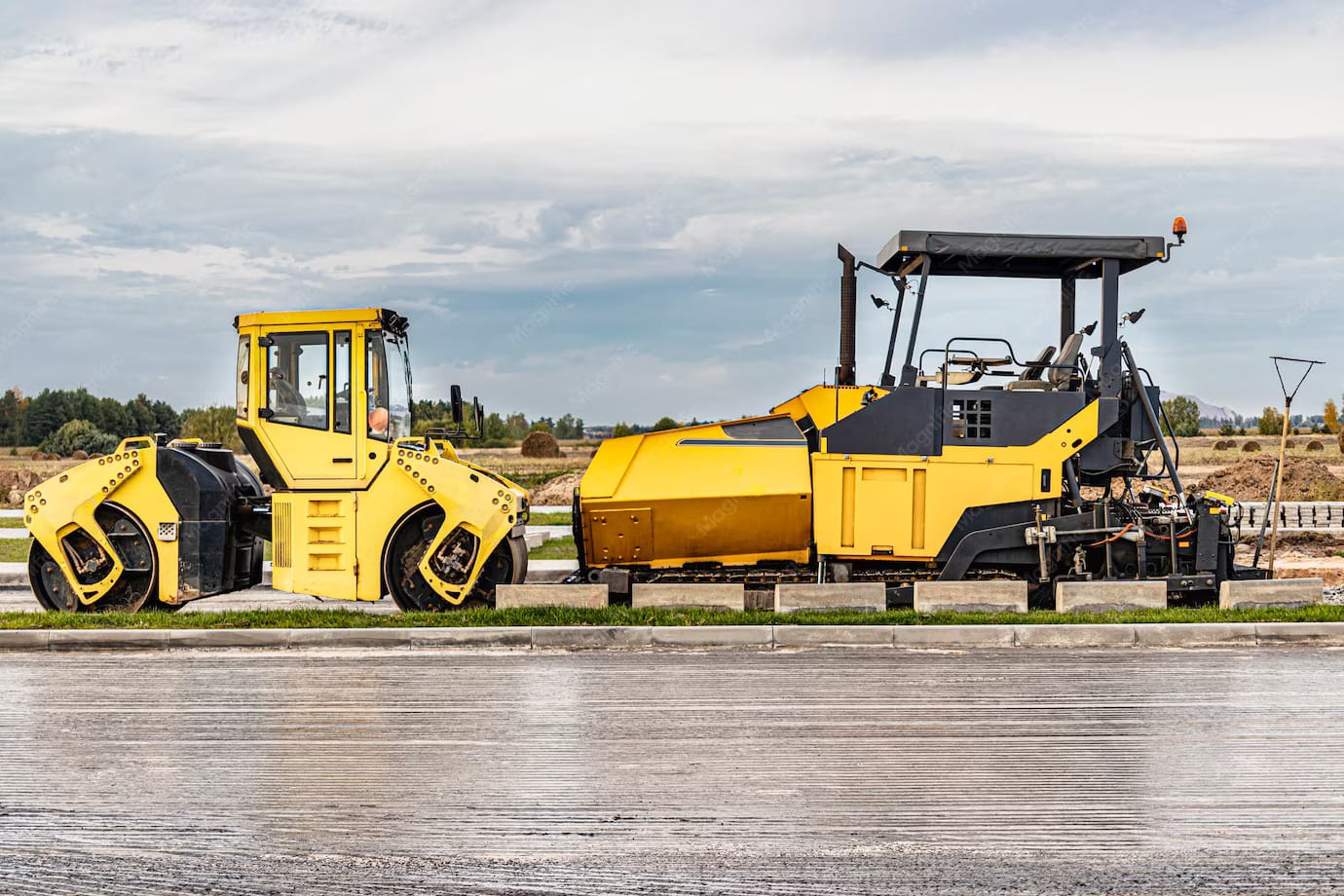
For heavy industrial work in Louisiana, the asphalt itself is only one part of the system. Precision Asphalt New Orleans starts by excavating any failed pavement and saturated material. In older plants and yards it is common to find thin asphalt over a mix of gravel and native clay. We take out the bad material down to firm soil, then build back a compacted base in 6 to 8 inch lifts using crushed stone or other stable aggregate. Each lift is compacted with vibratory rollers and density-tested so it meets industrial specs, not just appearance standards.
Once the base is proven solid, we place the asphalt in multiple structural lifts. A typical industrial section might use a 2 to 3 inch surface course on top of 3 to 4 inches of binder, with a separate leveling course if we need to correct existing dips or cross slope. For container yards, fuel terminals, and heavy forklift routes, total asphalt thickness can easily reach 6 to 8 inches, and we explain exactly where that thickness is needed so you are not paying for extra material where it does not benefit performance.
We use high-stability mixes with a higher stone content and performance-graded binders rated for Louisiana heat so the surface stays firm and resists rutting when trucks stop and start in the same spots. Joints are a common failure point in industrial settings, so our crews cut clean vertical edges, tack coat joint faces, and stage the paving pattern so cold joints are kept out of the highest stress zones whenever possible. Final compaction is done with steel drum and pneumatic-tire rollers to get density and lock aggregate together for long-term durability.
Design Choices, Material Options, and What Drives Cost
On an industrial asphalt paving job, the biggest cost drivers are not cosmetics, they are structure, access, and drainage. Thick asphalt sections, undercut depth, and the quality of base material are what determine budget and long-term performance. Precision Asphalt New Orleans lays out options in plain numbers, for example: how much you save by using a mill-and-overlay on moderate truck lanes versus full-depth reconstruction in the dock apron where tandem-axle loads and braking forces are highest.
You will have choices about mix type and section design. For example, high-volume truck courts may benefit from a heavy-duty surface mix with more angular stone and polymer-modified binder, which costs more per ton but resists shoving and polishing where trucks turn. In areas with constant forklift traffic and small hard wheels, we might recommend a slightly finer surface mix to avoid vibration and premature raveling, paired with a thicker binder course underneath. For chemical loading areas, we evaluate whether a sacrificial surface lift, to be replaced at a set interval, is more cost effective than overbuilding the entire section once.
Access, phasing, and working around your operation also affect price. If we have to pave only at night or in small phases to keep a rail spur, dock, or tank farm active, that adds mobilizations and setup time. Projects inside older New Orleans industrial yards often require working around buried utilities, tight clearances, and low overhead power, which can limit equipment size and slow production. We plan all of this upfront with you so there are no surprises in cost or schedule.
Managing Common Industrial Pavement Problems in New Orleans
Industrial pavements around New Orleans face a set of predictable problems: rutting in truck wheel paths, deep fatigue cracking around docks, edge failures in unconfined areas, and damage from trapped moisture. Precision Asphalt New Orleans addresses each of these with specific design and construction practices instead of simply adding more asphalt and hoping for the best.
For rutting in hot weather, we specify mixes and thicknesses based on actual load counts and temperatures typical to southeast Louisiana. If your facility receives sugar, grain, or container hauls during summer peaks, we adjust the binder grade and stone content to handle sustained asphalt temperatures over 140 degrees. Around docks where trailers sit and landing gear concentrates loads, we often widen and thicken the pavement section, tie it into concrete dock aprons, or install reinforced asphalt pads that distribute those forces.
Moisture and subsurface movement are a constant concern in this region. Where past pavements have shown pumping or mud coming through cracks, we test the subgrade, then decide whether to undercut, add geogrid, or improve drainage instead of just topping the problem. In low-lying yards, even a small change in grade can move water away from traffic lanes and heavy storage. We also pay attention to fuel, oil, and chemical exposure. In areas where spills are common, we may recommend tighter surface mixes, more frequent sealcoating, and a maintenance plan that includes prompt crack sealing so contaminants do not reach the base and weaken the structure.
Planning, Phasing, and Working Around Your Industrial Operation
Keeping your facility productive while we rebuild or install industrial asphalt paving is just as important as the pavement design. Precision Asphalt New Orleans coordinates with plant managers, safety teams, and dispatch to phase work so inbound and outbound truck flow continues with minimal disruption. We can schedule heavy work like milling and base reconstruction during off shifts, then pave and reopen key lanes between your busiest windows.
On older industrial sites along the riverfront, in Elmwood, or near the port, access routes are often tight. We plan material deliveries, truck routes, and equipment staging in advance so we are not blocking your critical driveways or rail crossings. When needed, we set up temporary stone access, steel plates, or alternate routes so emergency and service vehicles can still move through while certain sections are closed for construction and curing. Clear signage and flaggers are used so outside truck drivers know where to go even during changing phases.
Before any work starts, we walk the site with you to confirm which operations absolutely cannot be interrupted, where you can tolerate short closures, and what time windows are safest for noisy or high-traffic work. We cover safety expectations, haul routes, and communication channels so your supervisors know day by day what areas we will touch. At turnover, we explain curing and opening times, weight limits if any, and a realistic maintenance schedule for your new industrial asphalt, including when to plan for the first sealcoat and what early warning signs to watch for in this climate.