Home › Asphalt Resurfacing & Overlays
Reliable, professional asphalt resurfacing in New Orleans, LA from Precision Asphalt New Orleans. Contact us today for a free on-site estimate.
Precision Asphalt New Orleans provides professional asphalt resurfacing throughout New Orleans, LA, Louisiana and the surrounding area. Our licensed, insured crew delivers safe, clean, on-time work with a free estimate before anything begins. Call (504) 499-0348 or request your free quote.
Asphalt resurfacing in New Orleans that fixes problems, not just the surface
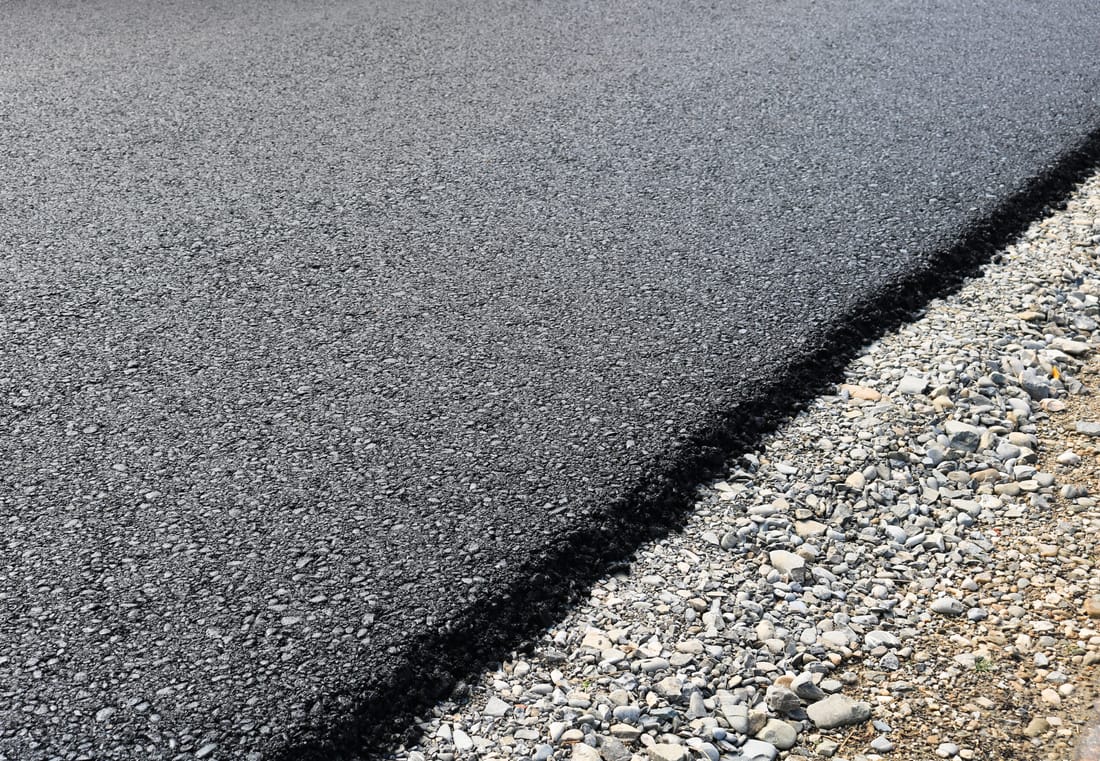
When New Orleans asphalt starts to crack, ravel, or collect standing water, you do not always need a full tear out. Asphalt resurfacing and overlays can give driveways, parking lots, and private streets a new life by replacing just the top layer of pavement while keeping the stable base underneath. Precision Asphalt New Orleans focuses on this kind of work because it saves our customers money without cutting corners.
In our climate, the combination of heavy rain, humidity, and heat beats up asphalt faster than in drier cities. That is why our first step is always a detailed inspection, not just a quick walk by. We look at how the water drains after storms, where trucks or garbage vehicles turn or stop, where tree roots are pushing up, and how thick the existing asphalt actually is. If your base is soft or pumping water when we drive over it, a simple overlay will not last, and we will tell you that up front.
Asphalt resurfacing is usually a good option in New Orleans when the surface shows widespread cracking and minor potholes, but the base is still sound. For example, a 12-year-old parking lot in Metairie with good drainage and no major sinking is a typical overlay candidate. On the other hand, a 35-year-old driveway in Gentilly that floods after every rain may need partial reconstruction before we can put new asphalt on top. We will show you in person why we recommend resurfacing or full replacement so you can see exactly what you are paying for.
How our asphalt resurfacing & overlay process actually works
Once we confirm that an asphalt overlay is right for your property, we follow a step-by-step process that fits New Orleans conditions.
1. Surface evaluation and marking: We mark off high and low spots, cracked sections that need patching, and areas with structural failure. On commercial lots we also map out traffic flow so that new striping and ramps meet local code and ADA guidelines.
2. Milling and grinding (if needed): In many New Orleans neighborhoods, curb heights are already tight. To avoid blocking drainage or creating a trip edge, we often mill 1 to 2 inches of the existing asphalt at tie-in points such as garage entries, catch basins, and street connections. For older lots near the French Quarter or Uptown, we pay special attention to drainage slopes into existing brick or concrete gutters.
3. Structural repairs: We cut out and remove weak sections, then rebuild them with new base stone and hot mix asphalt. Alligator cracking, deep potholes, or sunken spots near dumpster pads are common here due to heavy trucks and soft soils. We reinforce these areas first so the overlay has something solid to bond to instead of just covering up a problem.
4. Cleaning and tack coat: The surface is swept clean, then we apply a tack coat, a thin layer of asphalt emulsion that helps the new asphalt bond to the old. In humid New Orleans weather, we watch moisture levels closely. If the surface is damp from a passing shower, we either allow extra drying time or use an additive that still gives a reliable bond.
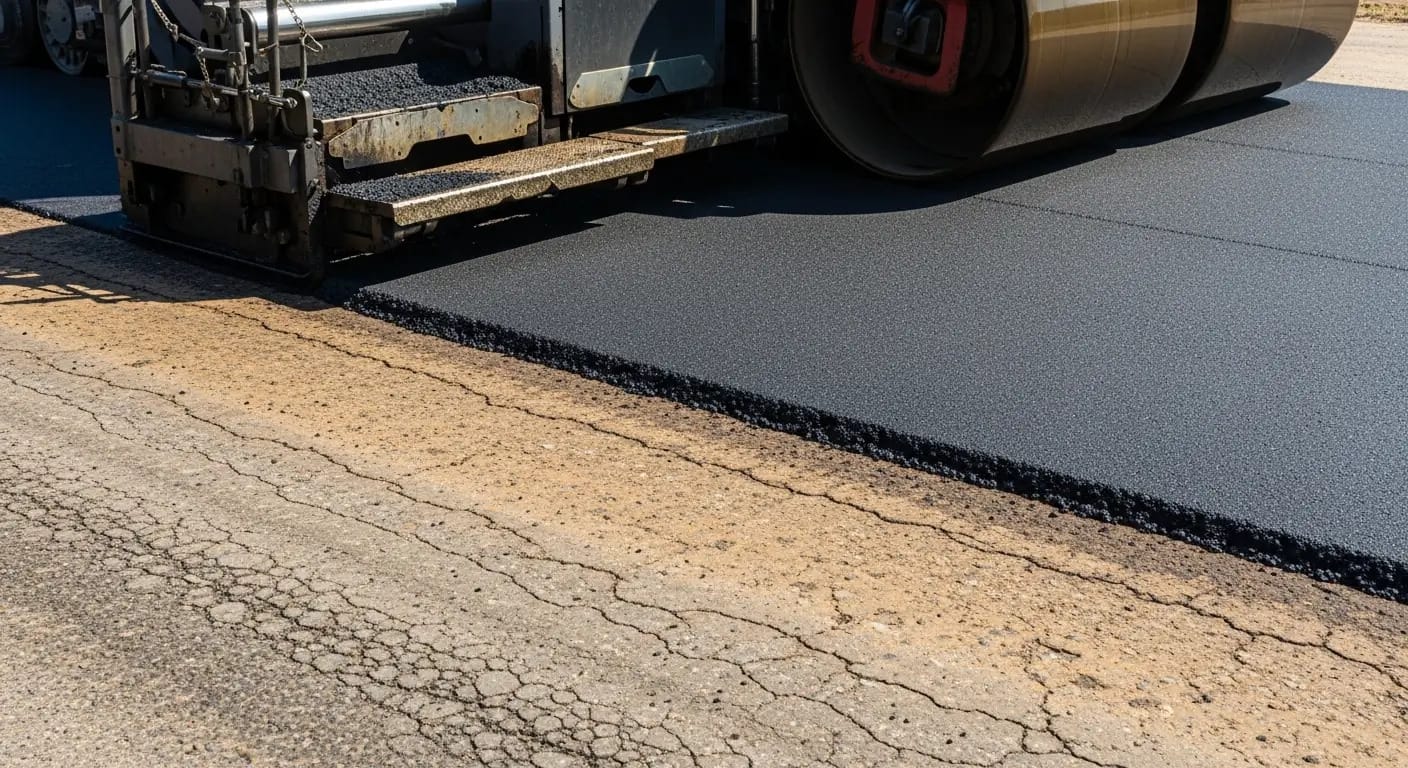
5. Laying the new asphalt surface: For most resurfacing projects we install a 1.5 to 2 inch layer of hot mix asphalt. Heavier traffic areas like delivery lanes, loading zones, and hotel entrances may get thicker lifts or a stronger mix design that resists rutting in summer heat. We place and compact the asphalt with steel drum and pneumatic rollers, adjusting the number of passes based on air temperature and mix temperature so we reach proper density before the asphalt cools.
6. Finishing, striping, and cleanup: We check transitions at sidewalks, carports, and entrances so there are no abrupt bumps. On commercial projects, we come back once the asphalt has cooled to add parking lines, directional arrows, ADA spaces, and fire lanes that meet Louisiana and City of New Orleans standards.
Material choices, thickness options, and what affects your cost
Two asphalt resurfacing jobs can look similar from the street but have very different needs and costs. Precision Asphalt New Orleans builds each overlay around how you actually use the pavement and what is already there.
Mix design: For light duty areas like residential driveways in Lakeview or New Orleans East, a standard surface mix usually works well. For places that see delivery trucks, rideshare pickups, and constant turning traffic, such as small shopping centers along Veterans or Claiborne, we often recommend a denser, more rut resistant mix. This costs a bit more up front but reduces track marks and depressions where vehicles stop and start.
Overlay thickness: Typical overlays range from 1.5 to 2 inches. Thinner overlays may be possible over very stable bases and for light use, but they provide less margin for New Orleans heat, water, and soft soils. Thicker overlays are better when the existing pavement is worn but still structurally sound, especially in older commercial lots built before current design standards.
Milling and prep work: If your property has tight drainage patterns, existing curb and gutter, or a connection to a city street, we may need more extensive milling to keep everything at the right height. More milling and more patching generally increase cost, but skipping that work is how you end up with water pooling at entrances or asphalt washing into storm drains.
Access and phasing: In the French Quarter, Central Business District, or dense multi family properties, accessing the site and controlling traffic can be a major factor. Night work, phased sections, or working around hotel and restaurant schedules can add to project cost, but they may be necessary to keep your doors open and tenants or guests happy.
Local permitting and compliance: Some resurfacing jobs tie into public sidewalks, city streets, or handicap access routes. In those cases we coordinate with local codes so your finished surface, ramps, and striping layout are compliant. Upfront planning can prevent expensive changes after the fact.
Common New Orleans asphalt problems and how resurfacing solves them
Our local soil and weather create some very specific pavement issues. Knowing which ones resurfacing can fix, and which ones require deeper work, will help you decide what to do.
Alligator cracking: This looks like a web or the skin of an alligator, which is fitting for Louisiana. If it is shallow and limited to a few spots, we can cut out those areas, repair the base, then overlay the rest. If you see alligator cracking over most of the surface, that tells us the base is tired, and a full reconstruction may be smarter than a simple overlay.
Ponding water: After a typical summer storm, water should drain off within a few hours. If your driveway or parking lot has birdbaths, small areas that hold water, resurfacing with careful grading usually corrects that. We adjust the slope of the new overlay so water runs to existing drains, gutters, or the street. If we see long standing, deeper ponds, we may need to lower high spots through milling or rework the base in that section first.
Raveling and loose gravel: When the top of the asphalt looks dry, gray, and sheds small stones, the surface is oxidized and worn. As long as the underlying layers are still strong, resurfacing is a perfect fix. The new overlay locks everything back together and provides a fresh, tight surface that is safer to walk and drive on.
Sinkholes near pipes or catch basins: New Orleans has a lot of older utilities. If you see localized sinking around a manhole or storm drain, we open that area, repair or stabilize the base around the structure, then patch and overlay. Covering over a sinkhole without fixing the cause almost guarantees it will return.
Edge breakdown along shells or soil: Many driveways and private lanes edge up to grass, soil, or shell. Over time those edges crumble. As part of an overlay, we can widen the paved area slightly or add a stronger edge detail so vehicle tires stay fully supported and the new surface lasts longer.
What to know before you schedule asphalt resurfacing with us
Before Precision Asphalt New Orleans gives you a proposal, we encourage you to think through how your property really functions day to day. That way the resurfacing plan fits your life or business instead of just looking good on day one.
For homes, consider where guests park during parties, where delivery trucks stop, and how often you back trailers or boats in and out. For businesses, think about peak times, truck routes, dumpster access, and emergency vehicle access. Sharing this information helps us choose the right mix, thickness, and schedule so we minimize disruption and maximize durability.
Timing is important in our climate. Spring and fall are ideal for overlays because temperatures and humidity help the asphalt compact and cure evenly. We still resurface in summer, but we plan work earlier in the morning and pay close attention to mix temperature so it does not cool too fast on the mat. In winter, we choose our days carefully so the surface and air temperatures meet manufacturer and DOT recommendations.
You will also want to plan for curing time. In many residential situations, light car traffic can often return within 24 hours, although we may recommend waiting 48 hours during cooler, damp weather. Commercial lots with heavy trucks, buses, or frequent turning traffic may benefit from a slightly longer cure window or phased reopening.
Finally, ask any contractor, including us, how they are evaluating your base, what they will do about drainage, and how they handle soft spots or bad areas that show up during construction. A written scope that describes patching, milling, tack coat, overlay thickness, and compaction standards is worth more than a vague one line quote. If you would like that level of detail and a local team that understands how New Orleans pavement behaves over time, Precision Asphalt New Orleans is ready to help you plan a resurfacing or overlay that actually lasts.