Home › Gravel-to-Asphalt Conversions
Reliable, professional gravel to asphalt driveway in New Orleans, LA from Precision Asphalt New Orleans. Contact us today for a free on-site estimate.
Precision Asphalt New Orleans provides professional gravel to asphalt driveway throughout New Orleans, LA, Louisiana and the surrounding area. Our licensed, insured crew delivers safe, clean, on-time work with a free estimate before anything begins. Call (504) 499-0348 or request your free quote.
Turn Your Gravel Driveway Into a Smooth Asphalt Surface
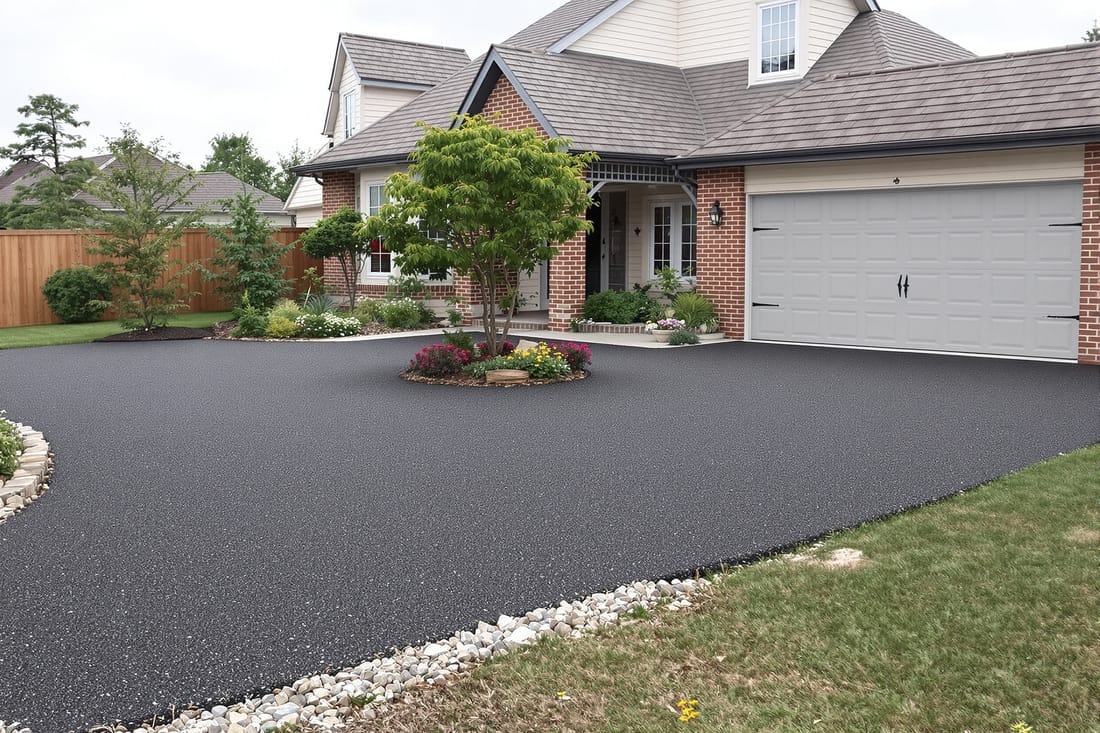
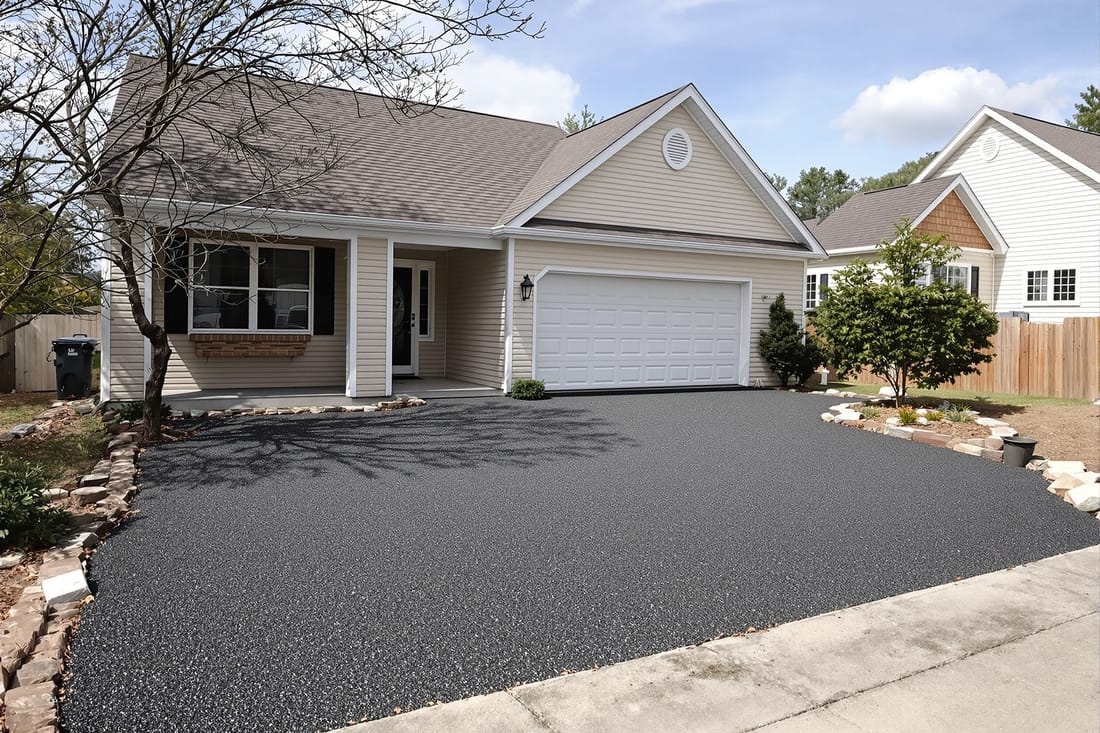
If you are tired of dust, ruts, and loose rock every time you pull into your driveway, a gravel to asphalt driveway conversion can be a big quality of life upgrade. At Precision Asphalt New Orleans, we specialize in taking existing gravel driveways in the New Orleans area and rebuilding them as durable, smooth asphalt surfaces that hold up to our heat, humidity, and heavy rain.
Converting gravel to asphalt is not just about laying blacktop over rocks. Done correctly, it involves checking your base, drainage, and elevations so you do not end up with puddles, sinking tire tracks, or early cracking. Our crew looks at how you use the driveway, what vehicles are parked there, and how water moves across your property before we recommend a design.
In New Orleans, LA, the soil is often soft and holds moisture, especially after our summer storms. That means your gravel driveway might look solid on top but be weak underneath. When Precision Asphalt New Orleans evaluates your gravel to asphalt driveway project, we pay close attention to soil conditions, existing ruts, and any areas that stay wet after rain so we can design a structure that will last, not just look good on day one.
Our Gravel-to-Asphalt Conversion Process in New Orleans
A successful conversion starts with a thorough site visit. We walk the driveway with you, mark any soft spots or low points, and check thickness of the existing gravel. If the gravel layer is too thin or contaminated with clay or organic material, it will need to be corrected before asphalt goes down.
Step 1 is grading and shaping the existing gravel. We use grading equipment to smooth the surface, cut out high spots, and create a gentle crown or slope so water runs off instead of sitting in the middle. We also define the driveway edges so the final asphalt has clean, stable borders.
Step 2 is reinforcing the base. In many New Orleans neighborhoods, we add additional crushed stone or limestone and compact it in layers using a vibratory roller. For areas with soft subgrade, we may dig out and replace poor material, or in some cases install a geotextile fabric between soil and stone to keep the base from mixing with the underlying soil. This step is critical for driveways that see delivery trucks, work vans, or boats on trailers.
Step 3 is prepping for asphalt. Once the base is compacted to our target density, we fine grade it to within tight tolerances, then compact again so it is smooth and firm. We address transitions to streets, sidewalks, and garage slabs during this stage so the finished asphalt meets these surfaces neatly without a bump.
Step 4 is installing the hot mix asphalt. For most residential gravel to asphalt driveway projects, we install a single 2 to 3 inch compacted lift of hot mix asphalt. For heavier use or wider drives, we may recommend a thicker profile or a two course system, where a base course is paved first, then topped with a finer surface mix. We use hot mix from local New Orleans plants that is designed for our climate.
Step 5 is compaction and finishing. After paving, we compact the asphalt thoroughly, working edges and tight corners to lock everything in place. We then cut clean edges, seal around transitions where needed, and walk the drive with you so you know how to care for it during the first few days while it cures.
Design Options for Your New Asphalt Driveway
A gravel to asphalt driveway conversion is also a chance to rethink how your driveway functions. Many New Orleans homeowners ask Precision Asphalt New Orleans to widen the drive slightly so it is easier to pass another car or to create a small parking pad beside the house. During our visit, we can mark out potential changes with paint so you can see them before committing.
Surface mix options can be tailored to your needs. Most homeowners choose a standard dense graded asphalt mix that provides a smooth, dark finish. For driveways that see frequent turning or trailer maneuvering, we might suggest a slightly stiffer mix that resists scuffing in hot weather. The exact blend is chosen based on your usage and current DOT approved local mixes.
We also pay attention to edging. Some properties benefit from a simple compacted shoulder of gravel alongside the asphalt, which helps support the edge and gives a clean visual line. Others may use concrete or brick borders already in place. We make sure the new asphalt sits at the right height against any existing edging so water does not get trapped.
If you are concerned about nighttime visibility, we can discuss placing the new asphalt in a way that leaves room for low-profile lights or reflectors along the sides. While we do not install lighting ourselves, we grade and finish the driveway edges so your electrician or landscaper has a clear, stable line to work with.
What Affects Cost and Timeline in New Orleans
Customers commonly ask what drives the price of converting a gravel to asphalt driveway. The biggest factor is base work. If your existing gravel is deep, well compacted, and drains well, we may only need minor touch ups before paving, which keeps costs down. If we find soft, pumping areas, standing water, or very thin gravel over clay soil, more excavation and new base material will be needed.
Driveway size and layout matter as well. Long, straight drives are usually more efficient to pave than tight, curvy layouts with lots of handwork around trees or existing structures. Steep grades, while less common in much of New Orleans, can also require extra attention and sometimes additional thickness.
Utilities and access can influence the project too. If there are water meter boxes, drainage inlets, or cleanouts inside the driveway footprint, we plan around them to keep access clear after paving. Limited access behind homes or in narrow alleys might require smaller equipment and more labor, which we explain in our quote.
As for timing, the New Orleans climate plays a big role. Spring and fall are often ideal because temperatures are moderate and sudden thunderstorms are less frequent than in peak summer. We avoid paving during heavy rain or when the base is saturated, since that can trap moisture and shorten the life of your new driveway. In the heat of July and August, we can still pave successfully, but we adjust our techniques and scheduling to deal with faster asphalt cooling and afternoon storms.
Most residential gravel to asphalt driveway projects take one to three days on site, depending on base repairs and weather. Precision Asphalt New Orleans provides clear start dates, keeps you updated if the forecast forces a shift, and walks you through when you can drive and park on the new surface, typically after a short cure period.
Common Issues, Maintenance, and Why Local Experience Matters
Two of the most common problems when a gravel driveway is converted to asphalt are poor drainage and movement of the base. In the New Orleans area, both are tied tightly to our frequent rains and soft soils. If drainage is not planned correctly, you may see puddles on the surface or water running toward your home. If the base is not thick enough or compacted well, the asphalt can settle in tire tracks.
Precision Asphalt New Orleans addresses drainage up front by setting proper slope, creating gentle crowns where appropriate, and tying your new asphalt into existing ditches, culverts, or street inlets. If needed, we can recommend simple improvements, such as shallow swales along the edges, to guide water away from your house or garage.
Once your gravel to asphalt driveway is in place, routine care is straightforward. We recommend keeping heavy sharp turning in one spot to a minimum during hot afternoons in the first season, especially with trailers or very tight steering. Cleaning off fuel or oil spills promptly and avoiding parking stationary equipment with kickstands directly on hot asphalt will help prevent dents.
Over the years, sealcoating can be used to protect the surface from sun and minor fluid drips. Thin surface cracks that may appear as the driveway ages can often be filled to keep water from entering the base. During our final walk through, we explain what to watch for and when to call us for a quick check.
Local experience matters because New Orleans driveways are not sitting on the same type of ground as those in drier, cooler regions. Our team is used to working in neighborhoods from Lakeview to New Orleans East, where standing water and soft subgrade are a daily reality. We bring that knowledge to every gravel to asphalt driveway conversion so you get a surface that fits your property, your vehicles, and our Gulf Coast climate.